
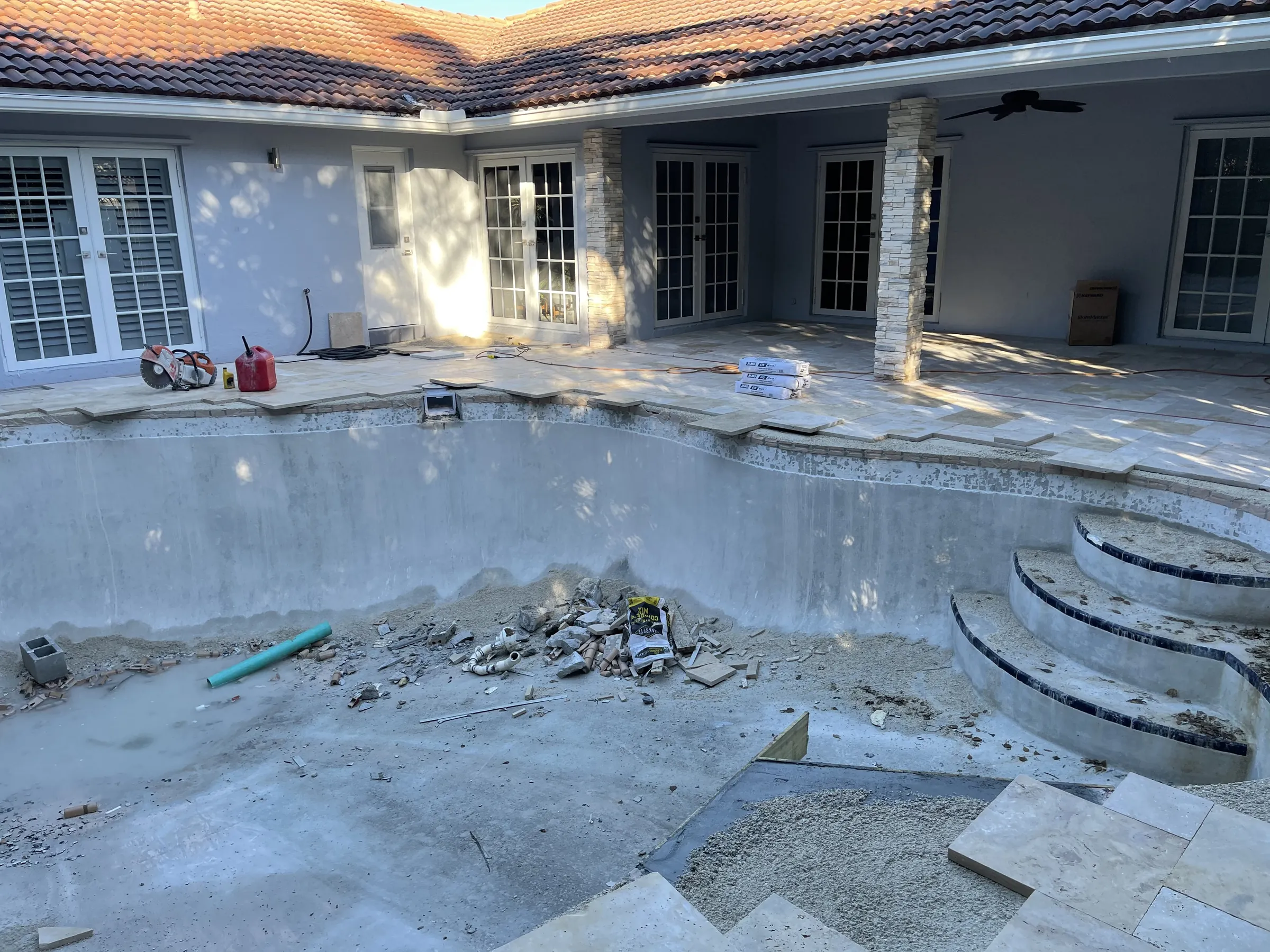
Two pools can look similar in a photograph and need very different renovation scopes. One may need a new finish and a carefully chosen tile band. Another may have damaged backing, awkward deck transitions, or a proposed spa that changes the structure and equipment. That is why a useful budget conversation begins with the work, rather than a price attached to the word “renovation.”
For homeowners in Boca Raton and across South Florida, the best starting point is a clear list of priorities and a property-specific assessment. This guide explains the decisions that shape a proposal, the questions that make estimates comparable, and the information worth gathering before you call. It does not offer a price range that could hide important differences between projects.
1. Define the result before comparing the price
Write down what you want to improve in everyday terms. Perhaps the surface feels rough, the tile dates the backyard, or the deck does not provide enough comfortable space around the pool. Separate those concerns from optional ideas, such as adding a spa or changing the shape. This gives the estimator a practical starting point and helps you decide where the investment matters most.
A focused pool resurfacing project has a different scope from a structural transformation. If your wish list contains several services, ask for the proposal to identify how they relate. You may want to compare a coordinated project with a narrower first phase. The useful distinction is the actual work included, not whether one proposal is called basic and another premium.
2. Existing condition affects preparation
The visible surface is only part of the assessment. Loose material, previous repairs, cracks, and deteriorated areas can change the preparation needed before a new finish or tile installation. A proposal based on a quick photograph may leave more unresolved than a scope developed after reviewing the pool's condition.
Ask what preparation has been included and what conditions could lead to additional work. Also ask how a discovery will be documented and approved. A clear change process is more useful than assuming that nothing unexpected can be found. If the pool has been losing water, make that known at the start; cosmetic work and investigation of a possible leak are different questions.
3. Size is one factor, but details count
The amount of surface being renovated affects quantities and labor, yet the outline alone does not describe every installation detail. Steps, benches, curves, a connected spa, and transitions around fittings can influence the work. Access to the pool can also affect how materials and removed debris move through the property.
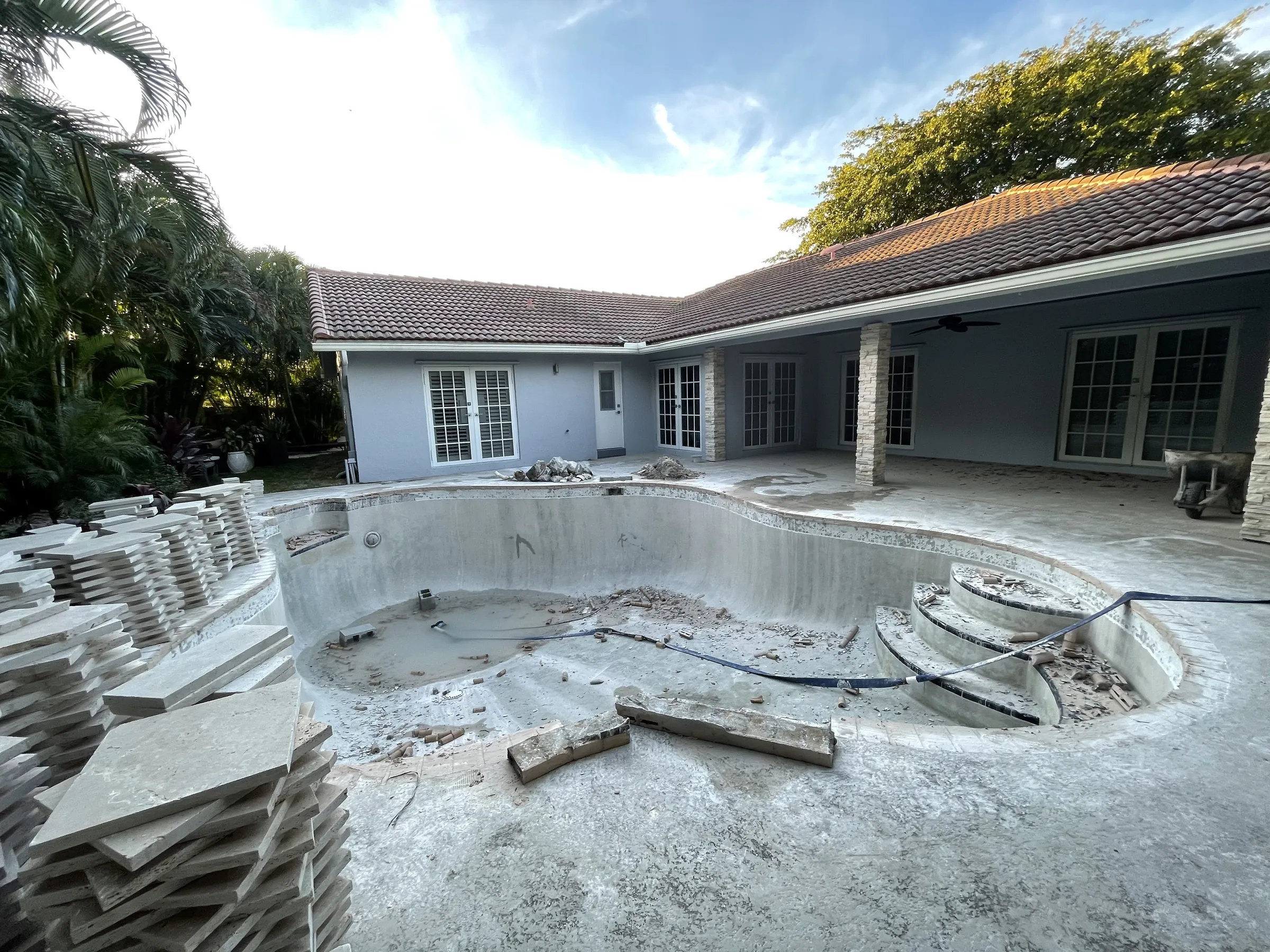
Take wide photos that show the whole pool, then photograph the areas that concern you. Include the route from the street or driveway to the backyard. You do not need professional measurements to start a conversation, but any existing plans or information from a previous renovation can help explain the property. Label approximate measurements honestly rather than presenting them as construction dimensions.
4. Material selections should be specific
A description such as “new finish” or “new tile” leaves important decisions open. Ask which product or material allowance the estimate assumes, what choices are available within it, and what happens if you choose something different. A proposal is easier to assess when the visible selections are tied to a defined scope.
Think about care and feel as well as appearance. A finish you love in a photograph may have a texture you want to experience in person. A tile choice may affect layout at curves and corners. Our guide to choosing pool finishes and tile explains how to evaluate those choices together instead of selecting each item in isolation.
5. Structural additions change the planning
A spa addition, sunshelf, or pool reshaping project can introduce work beyond replacing existing surfaces. The proposed configuration may require design development, engineering, system changes, and approvals. Those items need to be discussed before a construction total can be meaningfully compared.
Ask who will address the technical review, which professional services and fees are included, and how the existing equipment will be evaluated. Do not assume that a pool's current plumbing, heating, or controls will suit a new configuration. A good early question is, “What needs to be established before this part of the estimate can be finalized?”
6. The deck and coping belong in the conversation
The edge of the pool connects the water to the backyard. If the interior is renewed while the coping and deck remain, think about how the materials will meet visually and physically. If the deck is being changed, ask about preparation, drainage concerns, elevations, disposal, and the limits of the work area.
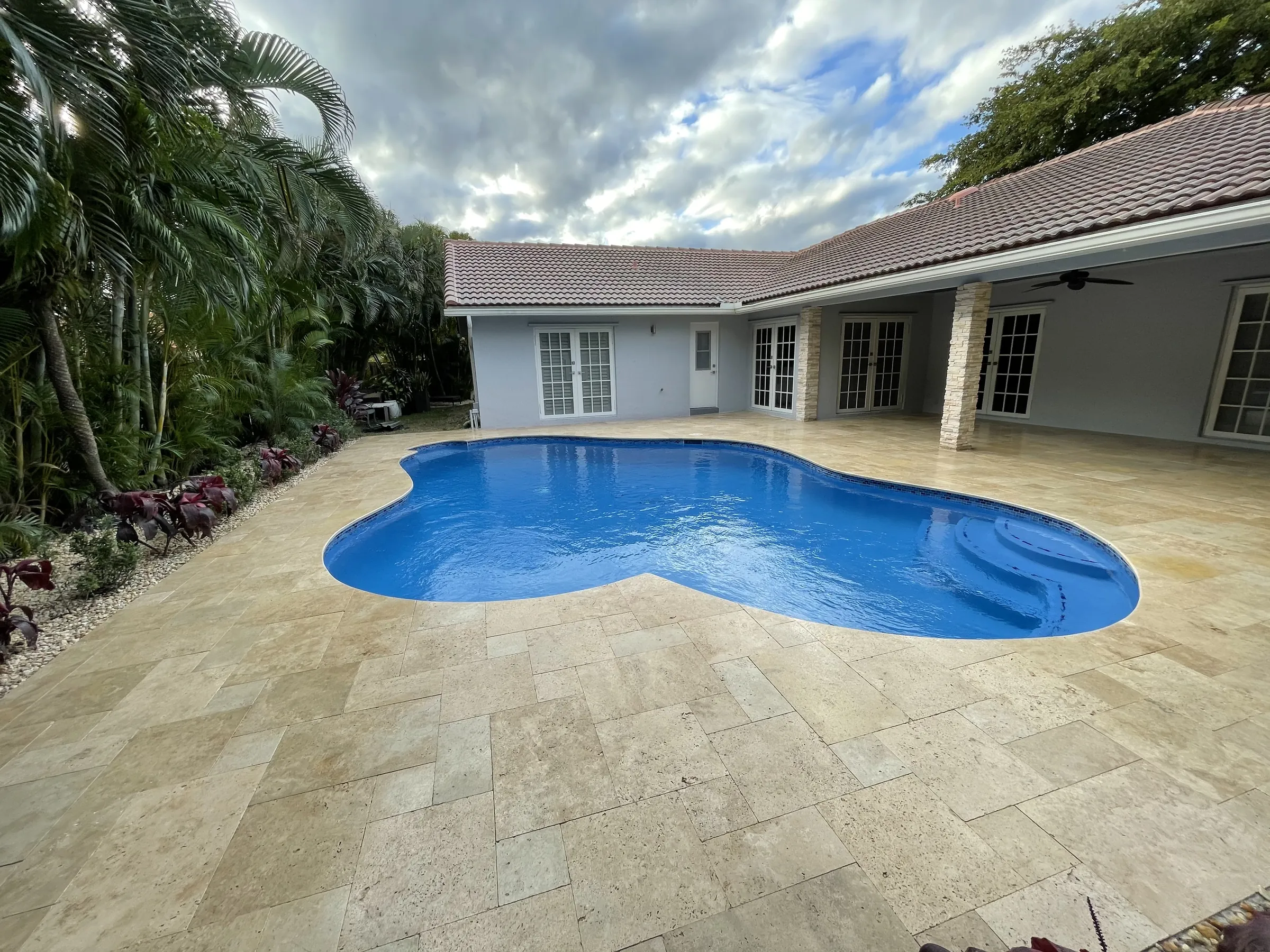
A backyard and deck renovation proposal should make clear whether landscaping repairs, equipment changes, or other nearby work are included. These items can be easy to overlook when the conversation focuses on a sample or rendering. Walk through the project boundary and ask what the finished edge of the contractor's scope will look like.
7. Approvals and access affect the sequence
Permit requirements depend on the property and proposed work. Confirm the responsible jurisdiction and ask who will handle required applications, drawings, inspections, and associated fees. An association may also require its own approval. Avoid treating a neighbor's project as proof that your scope follows the same process.
Site access, delivery arrangements, parking, and permitted work hours should be discussed before scheduling. These are practical project questions, not reasons to assume a standard surcharge. If you manage the property for someone else, establish who can approve changes and who needs to receive updates. Clear decision-making can prevent avoidable confusion once work begins.
8. Compare what happens after installation
Refilling and startup should have a named place in the proposal. Ask who manages early care, what your pool service needs to know, and when the pool can return to use. The National Plasterers Council's fill-water guidance emphasizes checking fill water as part of planning a new finish's startup. Your selected product's instructions and project-specific directions should guide the actual work.
Clarify cleanup, handover information, and any written warranty terms as well. Product coverage and workmanship coverage are not automatically the same thing. Ask what is covered, what responsibilities remain with you, and how to raise a concern. Keep the proposal, selections, and care instructions together for future reference.
Bring a short checklist to your estimate
Before the conversation, gather your address, wide and close-up photos, your main concerns, and any preferred materials. Note access restrictions, association requirements, and dates that matter to you. If you have a target budget, sharing it can help focus the discussion on realistic priorities, without replacing the need for a proper assessment.
When proposals arrive, compare preparation, materials, related work, approvals, startup, exclusions, and change procedures side by side. A lower total may reflect less work; a higher total should be understandable from the scope. Request a free estimate from Affordable Pool Renovation to discuss your pool and turn the next step into a clear, property-specific plan.