
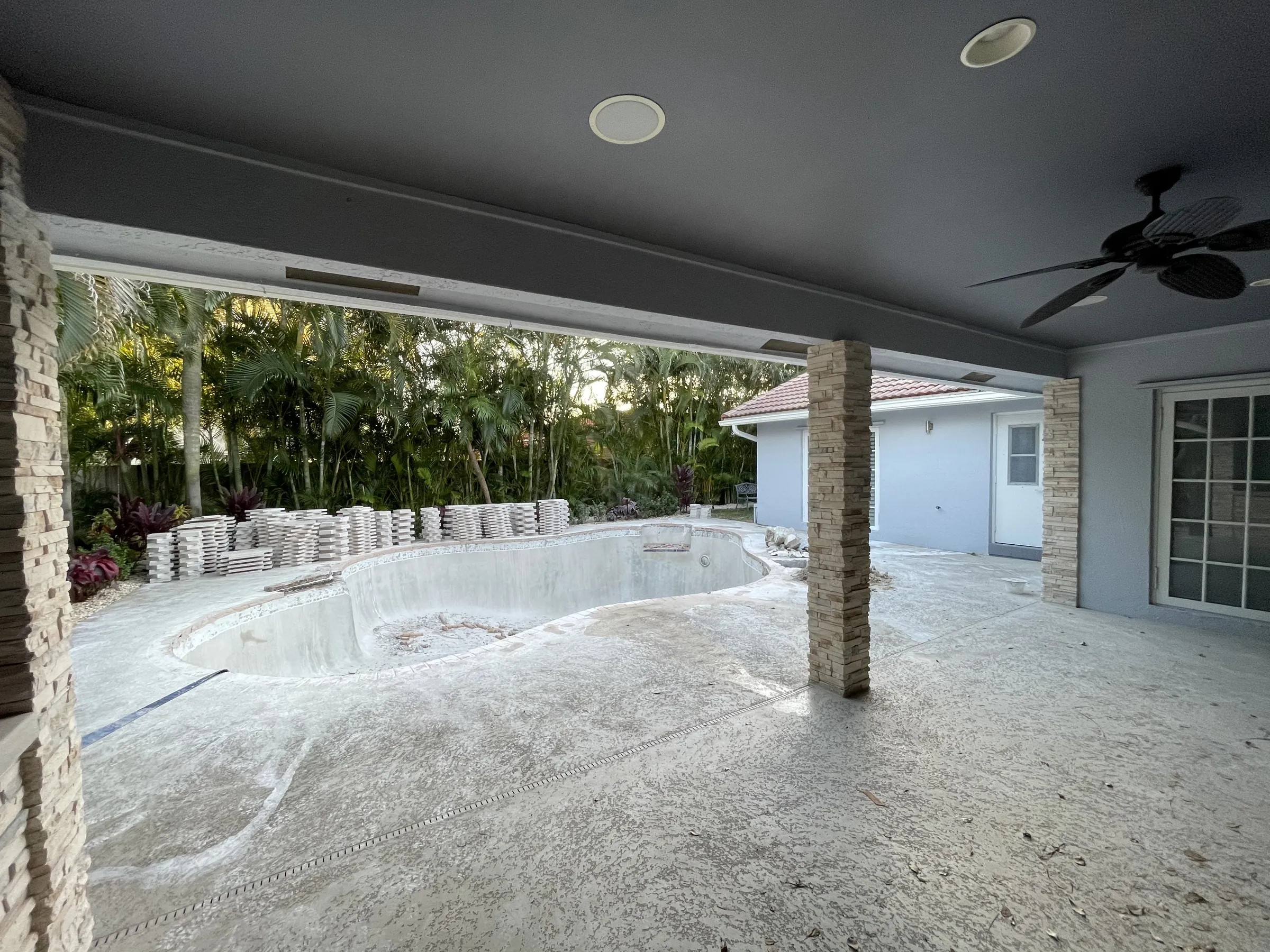
A pool renovation becomes easier to manage when the decisions are made in the right order. Choosing a finish is enjoyable, but access, approvals, construction sequencing, and startup all deserve attention before work begins. A little preparation helps you ask better questions and understand what the next stage depends on.
This guide is for homeowners planning a pool update in Boca Raton and the surrounding South Florida counties. It also highlights questions for property managers, because a shared pool can involve different requirements from a private residential pool. Use it to prepare for an estimate, then confirm the actual process for your address and proposed scope.
Make a record of the existing pool
Begin with wide photographs from several sides, close-ups of any damage, and a view of the equipment area. Include the route into the backyard. Note the issues you have seen: rough areas, loose tile, a dated appearance, uneven decking, or unexplained water loss. If you know when a previous renovation happened, include that information without guessing at details you do not have.
Gather existing plans, product information, and service records if they are readily available. You do not need to create a technical report before calling. The purpose is to make the first conversation concrete and to help distinguish known conditions from questions that require an on-site assessment.
Decide what belongs in the first scope
Separate necessary work from design opportunities. A worn interior may make resurfacing the priority, while a new tile band may be a related improvement. A spa, sunshelf, or shape change is a broader decision that should be discussed before a limited surface project is finalized.
Tell the estimator about the full vision even if you are considering phases. Some work may connect naturally; other items may remain separate. Ask how one phase would affect a later project and whether keeping an existing material creates limitations. A clear scope lets you make those choices deliberately rather than discovering the relationship after work starts.
Confirm the correct local authority
Your mailing city is not always enough to establish which building department handles a property. Start with the actual address and confirm the responsible jurisdiction. In Palm Beach County, the Building Division's frequently asked questions explain how a property's parcel information can help identify its municipality. The county Permit Center processes applications for the unincorporated area.
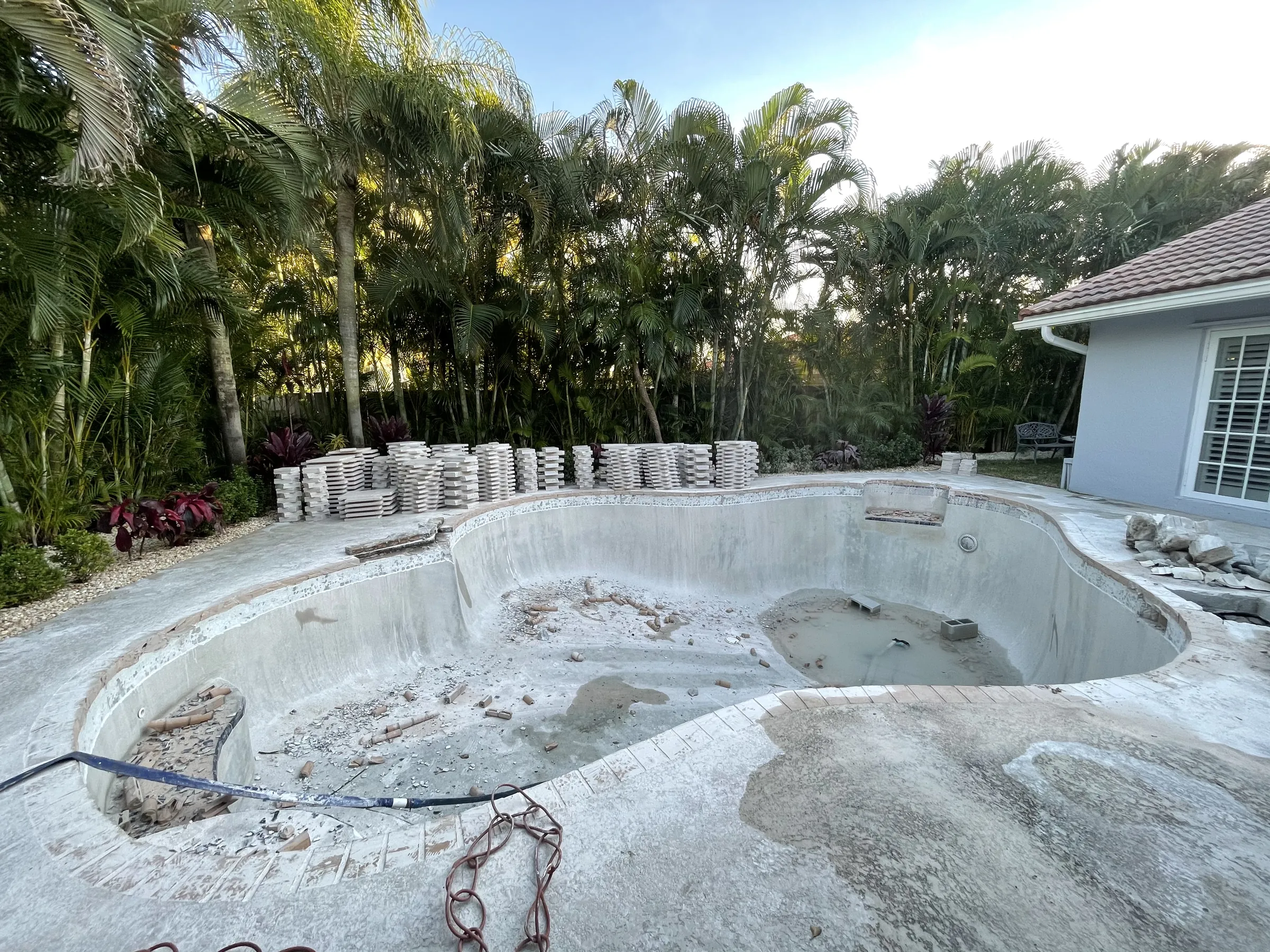
Ask which approvals apply to the particular work, who will prepare documents, and who will obtain any required permits or inspections. Do not assume that all finish work and all structural alterations follow one rule. The project team and relevant authority should confirm the requirements for your scope before construction proceeds.
Treat association approval as a separate step
If your property is part of an association, ask for its exterior-modification requirements early. It may need information about appearance, access, working hours, or contractor documentation. Establish who will submit the request and whether approval must be in place before scheduling. Keep the response with the rest of your project records.
Association review does not replace review by the applicable public authority. The two processes may ask different questions and take different amounts of time. If you have a preferred completion date, discuss these dependencies during the estimate rather than assuming construction can begin as soon as a material is selected.
Identify shared-pool requirements immediately
A condominium, community, or other shared pool should be identified as such from the first inquiry. Do not assume that advice for a private backyard pool applies. The Florida Department of Health's public swimming pool information describes a separate permitting framework for public pools, including coordination with building departments.
A property manager should clarify who can approve the scope, who communicates with residents, and which professionals must review the proposed changes. Confirm contractor suitability for the specific project before moving forward. Budget discussions should account for the actual approval and operating requirements rather than borrowing assumptions from a residential renovation.
Make access and site preparation explicit
Walk the route from the delivery area to the pool. Note narrow gates, steps, delicate landscaping, irrigation, pets, and any parking restrictions. Ask what needs to be moved and who is responsible for moving it. If furniture or planters will be stored elsewhere, decide where they can remain without obstructing the work.
Discuss how access to the yard will be managed while the property is occupied. Keep children and pets away from the work area and follow project-specific instructions. Do not drain the pool yourself to get a head start. Draining and changes to pool operation should be planned by the people responsible for the work, taking account of the actual conditions.
Build a schedule around dependencies
Design decisions, approvals, material availability, weather, preparation, installation, and curing can each influence the sequence. A realistic schedule explains those dependencies rather than offering a universal number of days. Ask which dates are targets, which items must be confirmed first, and how changes will be communicated.
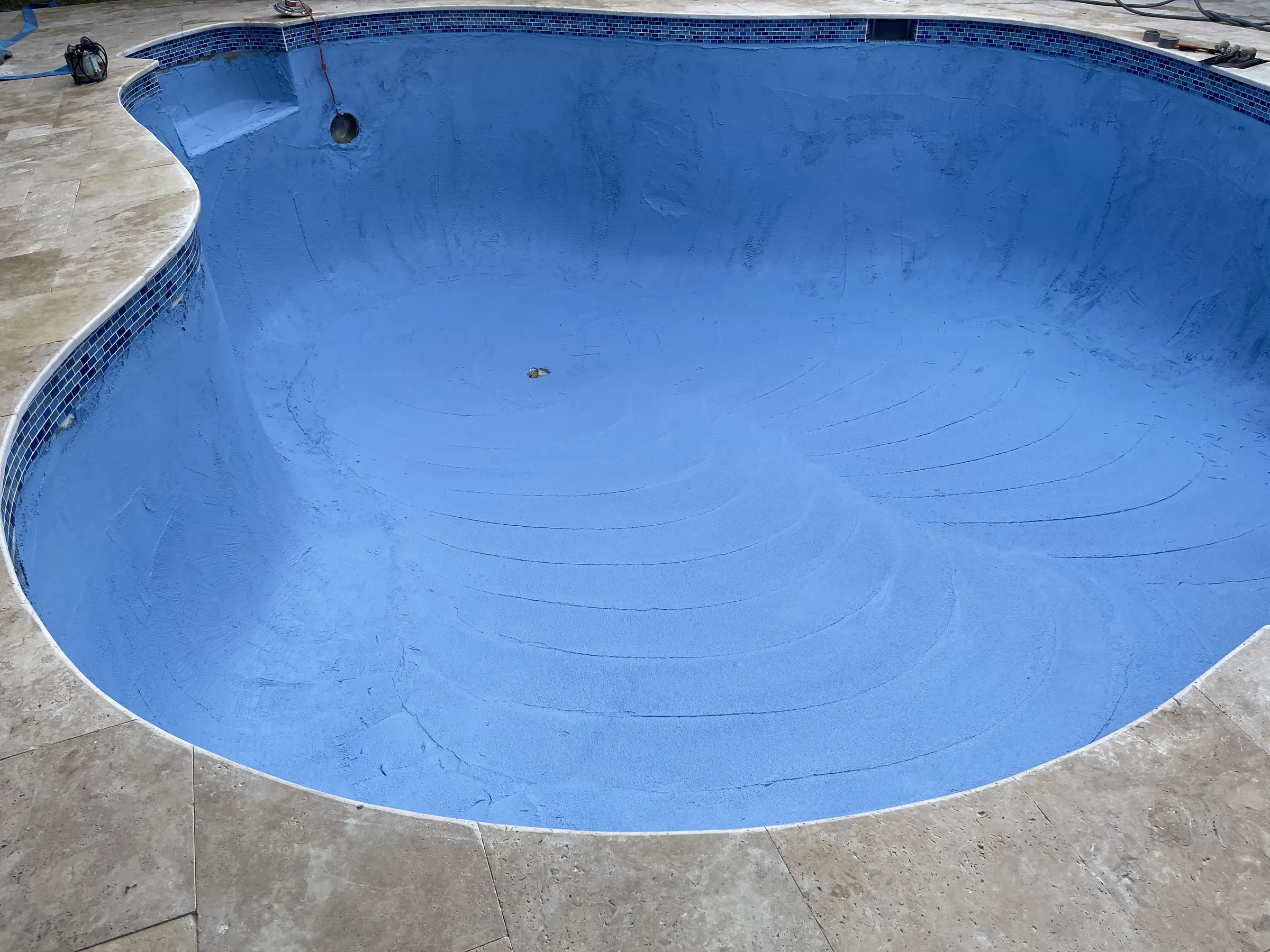
If an event or rental booking matters to you, mention it early. Leave room for the project to be assessed before treating the pool as available on a fixed date. The question is not only when construction ends, but when startup is complete and the pool can safely return to its intended use.
Clarify changes before they happen
Renovation can expose conditions that were not visible at the beginning. Ask how additional work will be documented, priced, and approved. Establish who is authorized to make decisions and how that person can be reached. This is particularly useful when the homeowner is away or a manager is coordinating several stakeholders.
Keep material selections and agreed revisions in writing. If a product is substituted, understand the appearance, dimensions, and care implications before approval. A short written record helps everyone work from the same scope and gives you something reliable to consult at handover.
Plan the refill, startup, and handover
The transition from installation to everyday maintenance deserves its own conversation. The National Plasterers Council provides technical resources on pool finishes and startup, but the actual care plan should follow the selected product and project-specific instructions. Ask who handles early care and when your regular pool service takes over.
Before using the pool, confirm that the required steps are complete and that you have operating and care information. Keep the final selections, proposal, written warranty terms, and relevant approval records together. If you have questions, raise them before assuming the pool can immediately return to its old maintenance routine.
Begin with a clear conversation
You do not need every answer before requesting an estimate. Bring your location, photos, priorities, and any known association or access restrictions. Those details help turn a broad idea into an assessment with useful next steps.
Contact Affordable Pool Renovation for a free estimate in our South Florida service area. Whether you are planning a finish refresh or a more complete backyard transformation, an organized start makes it easier to understand the choices, responsibilities, and sequence ahead.